




Industria | 26.06.2026
What Does a Tier 1 Automotive Plant Look for? Key Factors to Becoming a Strategic Supplier for Global Companies
By: HEMAQ
26.06.2026
Share
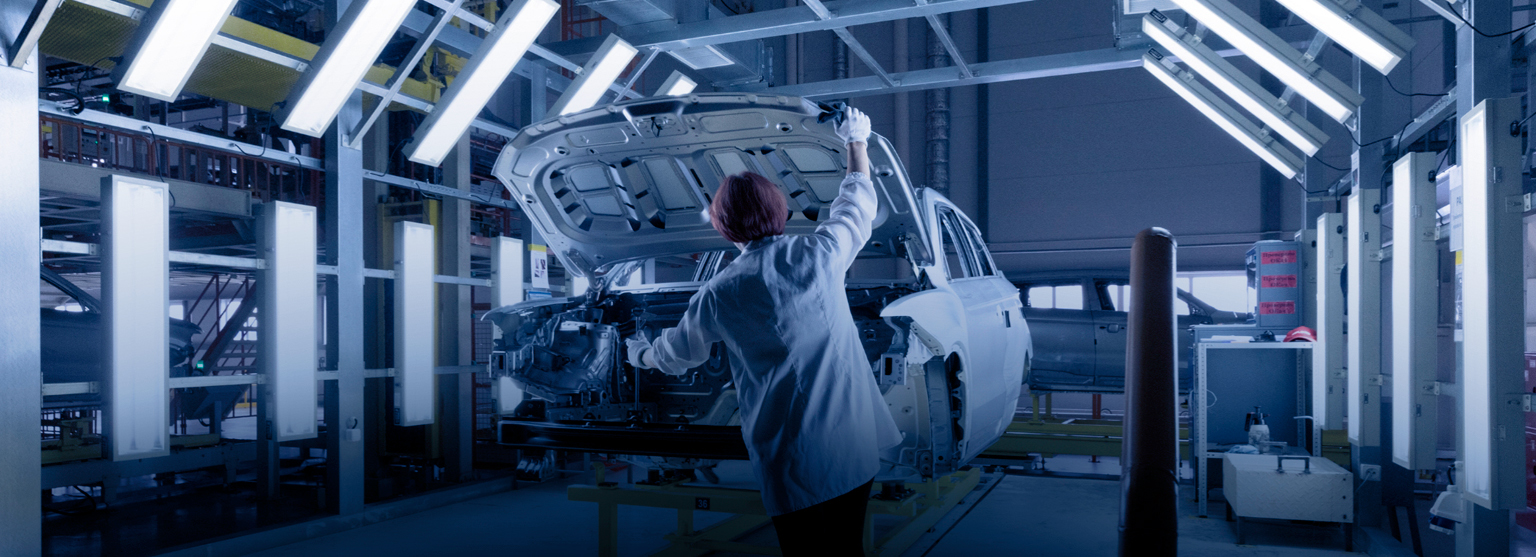
What Does a Tier 1 Automotive Plant Look For?
The automotive industry is one of the most demanding sectors in the world in terms of quality, productivity, and innovation. Within this ecosystem, Tier 1 companies hold a strategic position by supplying systems and components directly to Original Equipment Manufacturers (OEMs) such as General Motors, Toyota, Honda, Mazda, and Volkswagen.
But what factors do these companies consider when selecting their suppliers and technology partners?
The Role of a Tier 1 Company
Tier 1 suppliers are responsible for developing, manufacturing, and integrating complete systems that will be installed in vehicles produced by OEMs. To achieve this, they coordinate a complex network of Tier 2 and Tier 3 suppliers, ensuring that every component meets the highest standards of quality and performance.
Beyond manufacturing, many Tier 1 companies are involved in engineering, product design, supply chain management, and continuous improvement initiatives, making them strategic partners to automotive manufacturers.
Key Requirements of a Tier 1 Plant
Quality and Reliability
Quality is the fundamental requirement. A Tier 1 company needs suppliers capable of ensuring stable processes, production repeatability, and consistent compliance with critical specifications.
The ability to maintain tight tolerances and minimize process variation is essential for becoming part of the automotive supply chain.
On-Time Delivery
Automotive production lines operate within highly synchronized manufacturing environments. As a result, Tier 1 companies seek suppliers with reliable logistics capabilities and the flexibility to respond to changes in demand.
Meeting delivery schedules is just as important as product quality.
Technology and Advanced Manufacturing
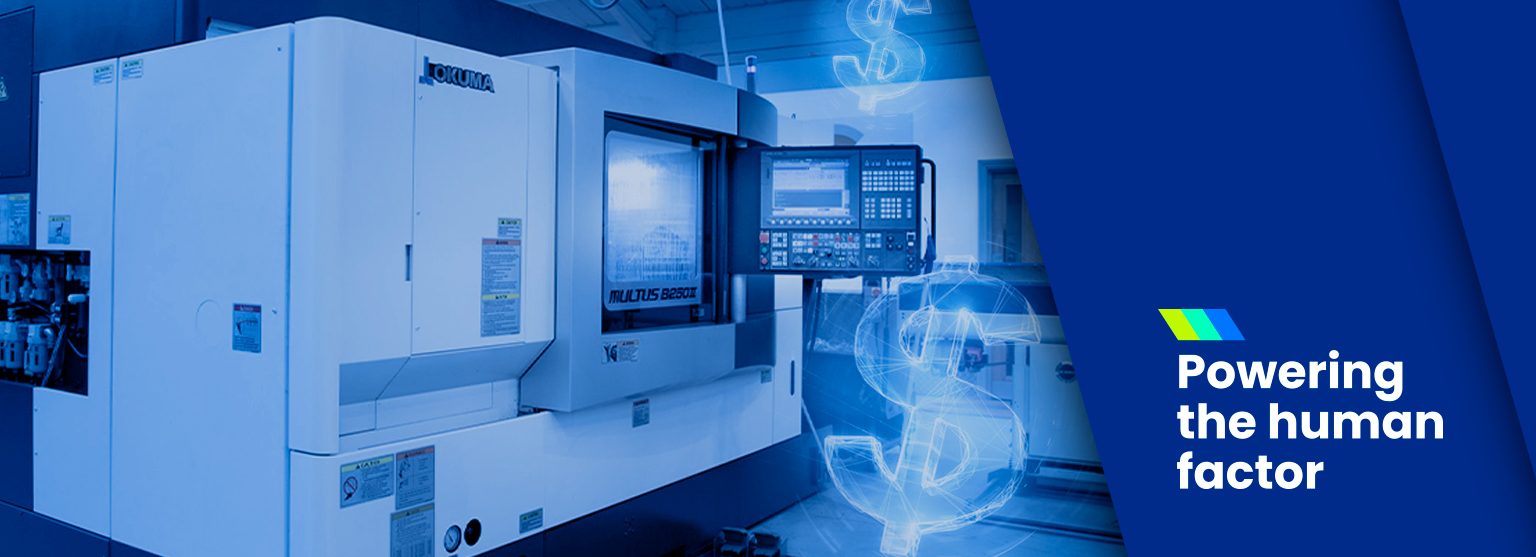
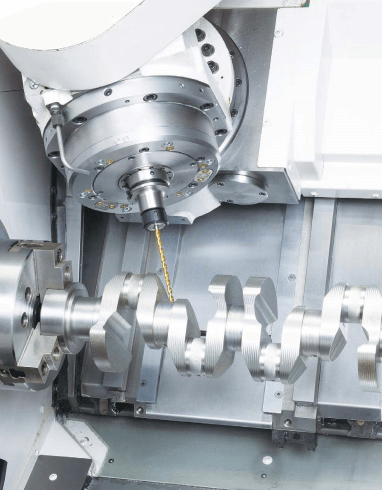
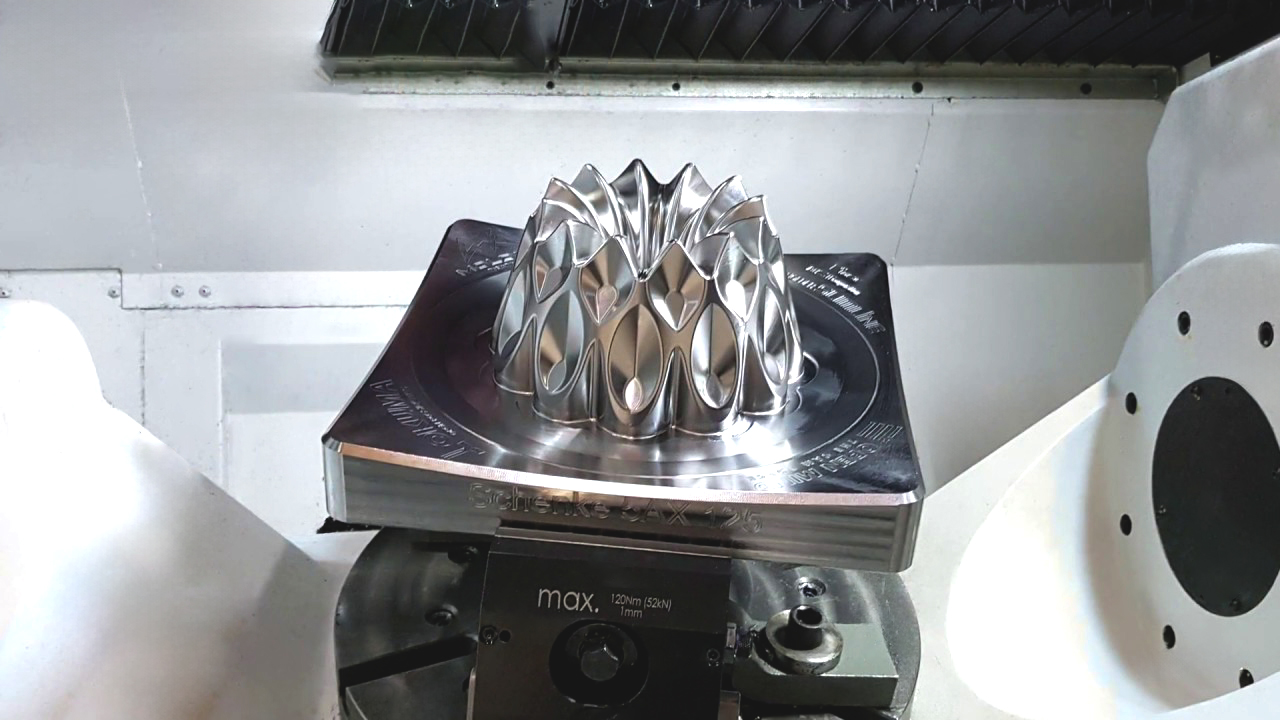
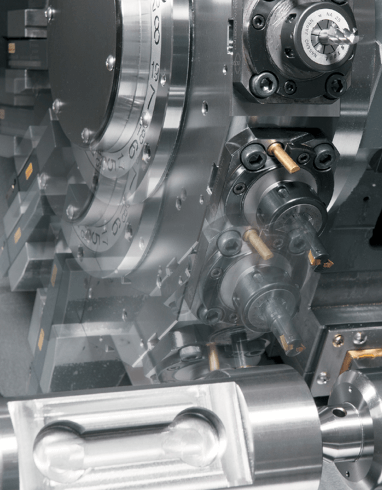
Today’s competitive landscape requires increasingly efficient manufacturing processes. Tier 1 companies value partners who invest in advanced manufacturing technologies, automation, and high-precision CNC machinery.
These capabilities help improve productivity, reduce waste, and ensure consistent quality, even in high-volume production environments.
Cost Reduction and Continuous Improvement
Global manufacturers look for partners that contribute to process optimization and operational efficiency. Continuous improvement, reduced downtime, and waste elimination are critical factors in maintaining competitiveness within the automotive sector.
Experience and Collaborative Capabilities
In addition to technical expertise, Tier 1 plants seek suppliers with proven industry experience and a collaborative mindset. Effective communication, problem-solving abilities, and adaptability to evolving requirements are essential for building long-term business relationships.
The Importance of CNC Technology
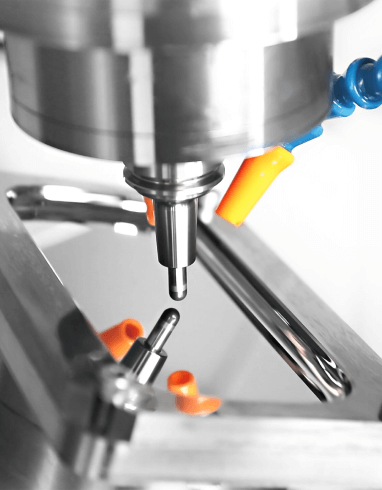
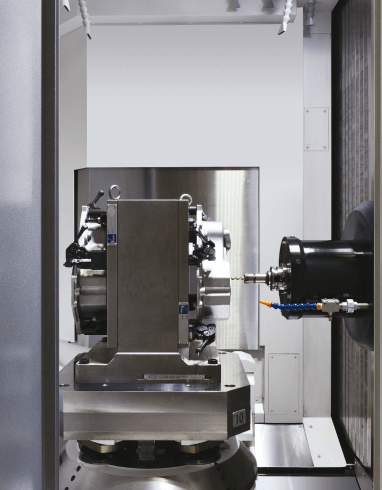
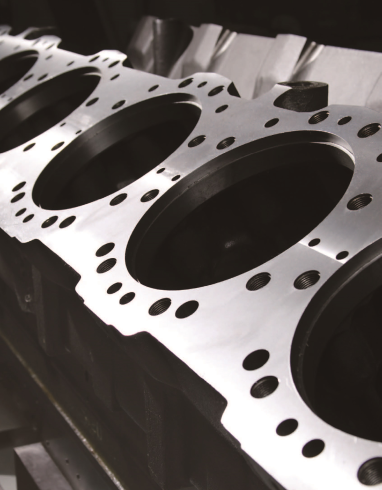
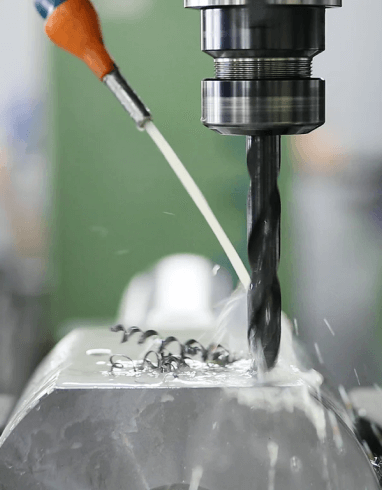
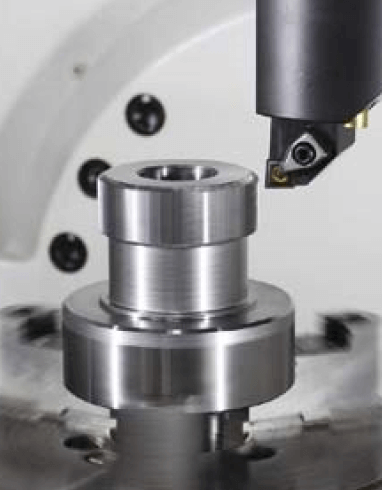
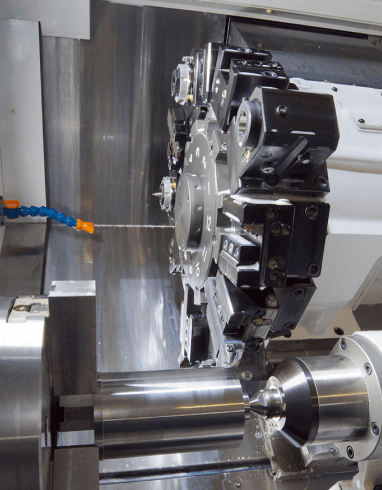
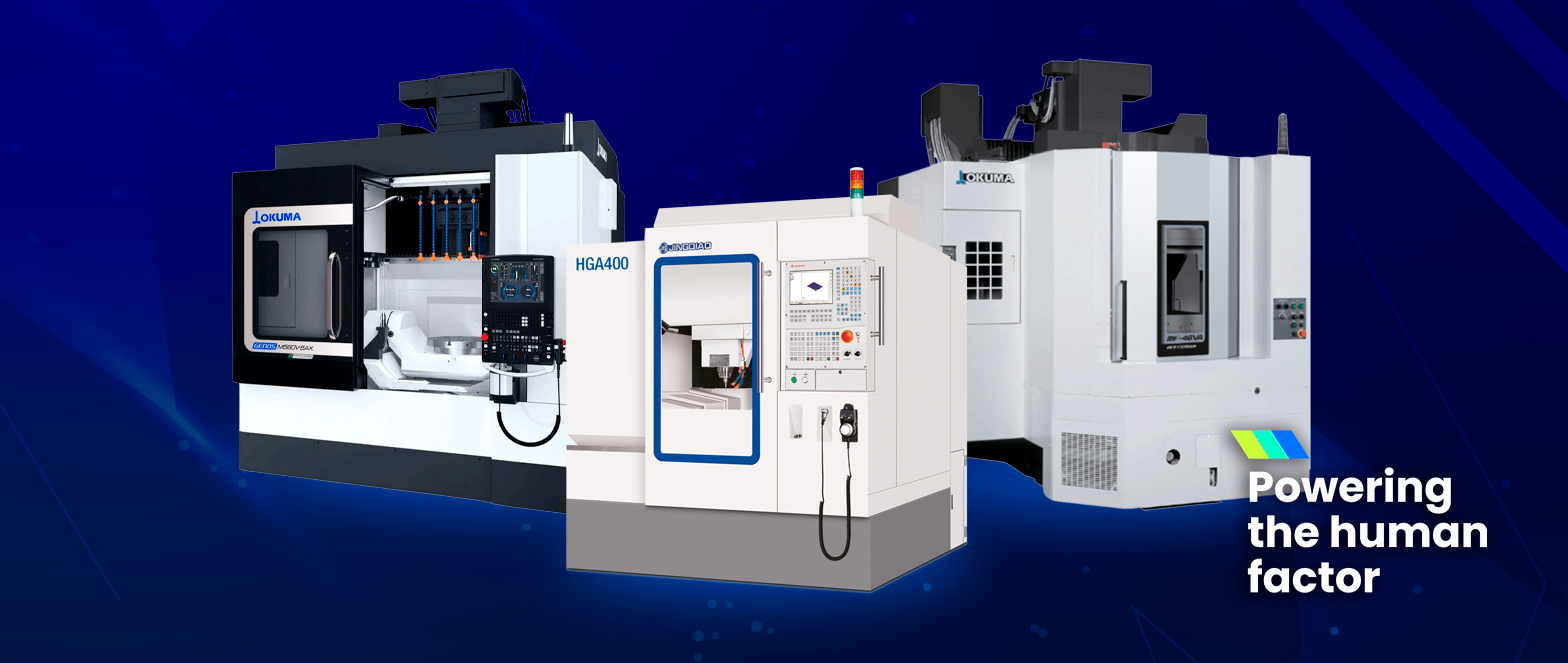
Manufacturing automotive components requires exceptional levels of precision, repeatability, and productivity. For this reason, CNC technology plays a critical role in Tier 1 operations.
Reliable machine tools, expert technical support, and integrated automation solutions enable manufacturers to meet current and future production demands while maintaining the quality standards required by the industry.
An Example of What Tier 1 Companies Value
In 2025, American Axle & Manufacturing (AAM), one of the leading Tier 1 automotive suppliers, recognized Okuma America Corporation as one of its Suppliers of the Year.
The evaluation criteria included delivery performance, product quality, technology leadership, sustainability, and execution excellence. This recognition demonstrates that Tier 1 companies value suppliers that consistently deliver innovation, efficiency, and long-term performance.
Tier 1 manufacturers are not simply looking for component or service providers. They seek strategic partners capable of delivering quality, reliability, innovation, and responsiveness.
Companies that invest in advanced technology, robust manufacturing processes, and continuous improvement are better positioned to successfully integrate into global automotive supply chains and become essential contributors to an industry that demands excellence at every stage of production.
For more information, visit hemaq.com.
 Thumb blog
 Industria
Industria
Technology
11.06.2024
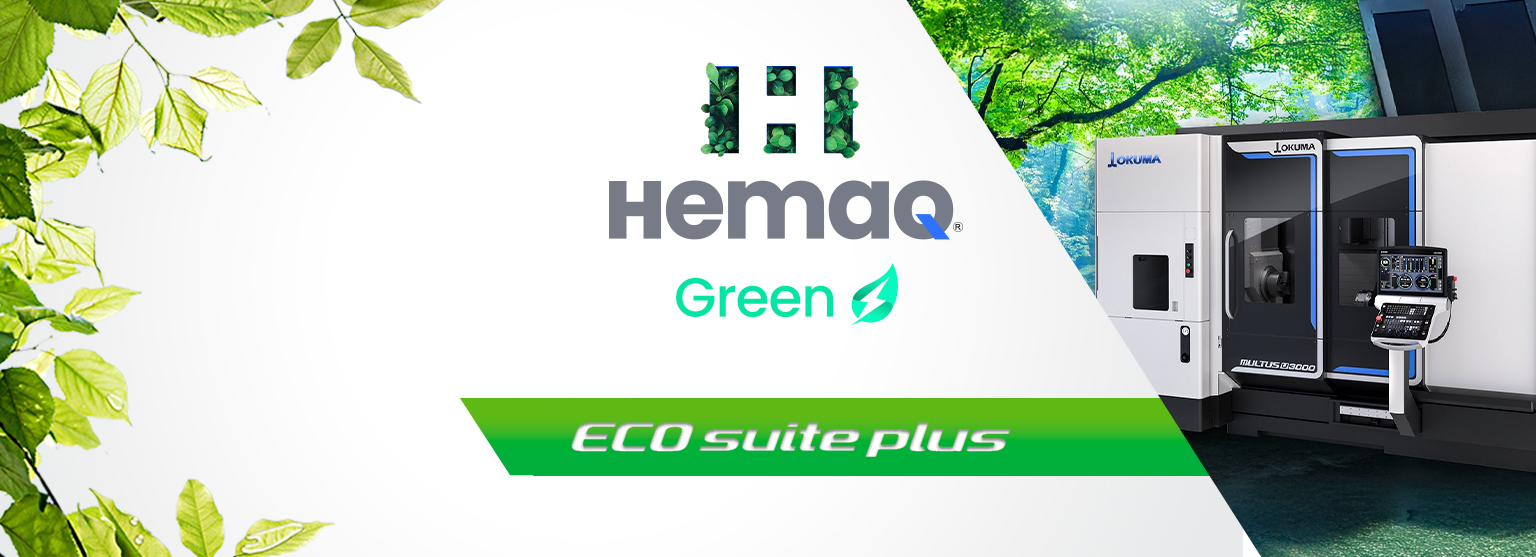
ECO SUITE PLUS: the innovative eco-friendly system from OKUMA
 Thumb blog
 Technology
Education
Industry
16.01.2025
The Importance of Preventive Maintenance on Lathes and CNC Machining Centers: Common Problems and Solutions

 Thumb blog
 Industry
10.04.2026
When Tax Strategy Aligns with Productive Investment: The True Industrial ROI
 Thumb blog
 Industria
Technology
28.04.2026
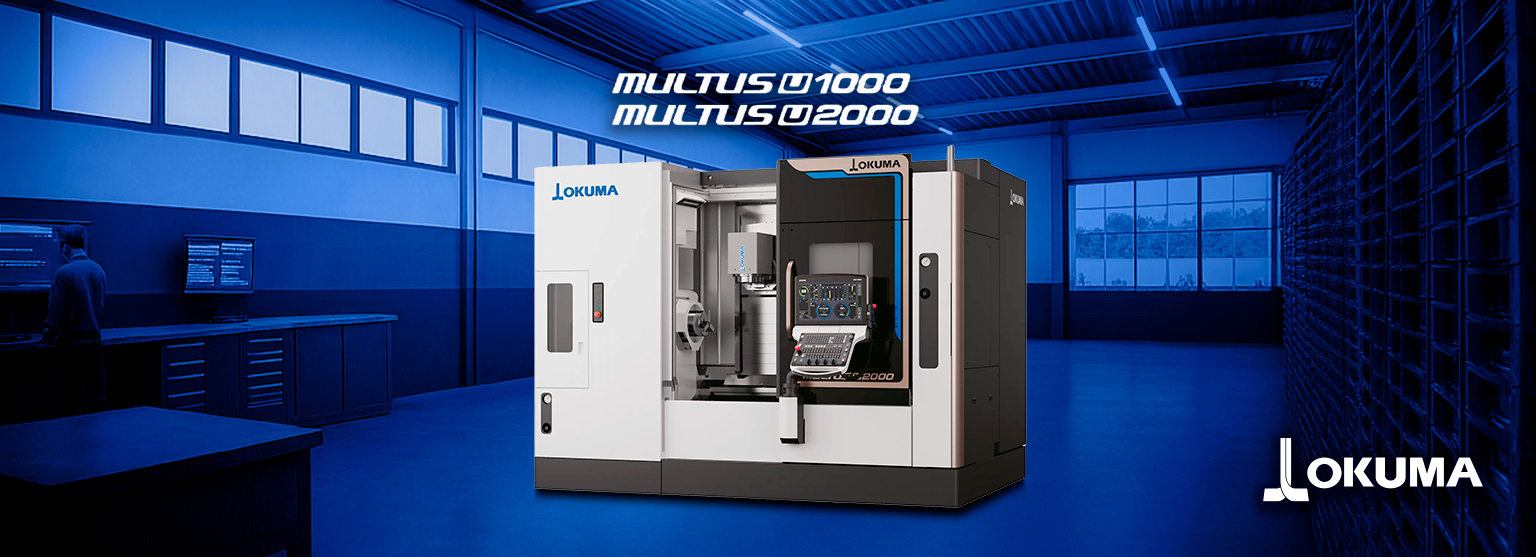
OKUMA MULTUS U1000 / U2000: Multitasking CNC Machines Redefining High-Precision Machining.