



Industria | 07.05.2026
How Much Is It Costing You Not to Evolve Your CNC Process?
By: Juan Carlos Hernández
07.05.2026
Share
In many manufacturing plants, efficiency isn’t lost all at once—it quietly erodes with every transfer, every setup, and every machine changeover. And even if the process “works,” the real question is: is it performing at its full potential?
The Traditional Fragmented Process
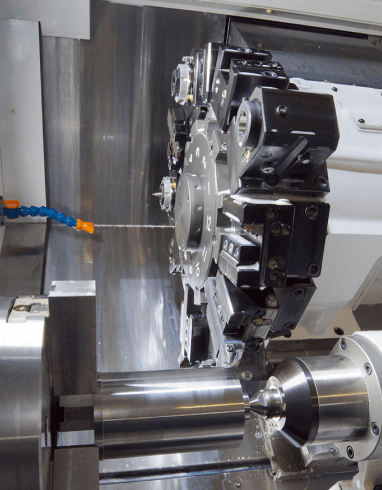
LWhat is typically seen on the shop floor is a workflow divided by operation type: turning in one area, milling in another, drilling in a separate station. While common, this approach creates a chain of steps that add no direct value to the part:
- Constant transfers between machines
- Waiting times and intermediate storage
- Multiple setups
- Intensive use of workholding tooling
- Increased risk in tolerance control
It’s not that the model is “wrong,” but it is far from optimal.
The True Cost: What Isn’t Always Measured
The most critical problem is not always obvious at first glance. It’s not just about time—it’s the accumulation of inefficiencies:
- Loss of productivity due to downtime
- Increase in errors and rework
- Greater dependence on the operator
- High consumption of floor space and labor
- Difficulty maintaining precision on complex parts
The tighter the tolerances and surface finish requirements, the more these issues are amplified.
Resistance to Change: A Predictable Barrier
When the idea of migrating to multitasking machines is introduced, the response is often immediate:
“It’s too expensive” or “it’s too complex to operate.”
Both concerns are valid—but incomplete.
Yes, the initial investment is higher. And yes, the technology requires training. But what is often overlooked is the cumulative cost of continuing to operate under the same fragmented model.
When the Numbers Change: Real Cases
There are scenarios where multitasking is not just convenient—it’s decisive.
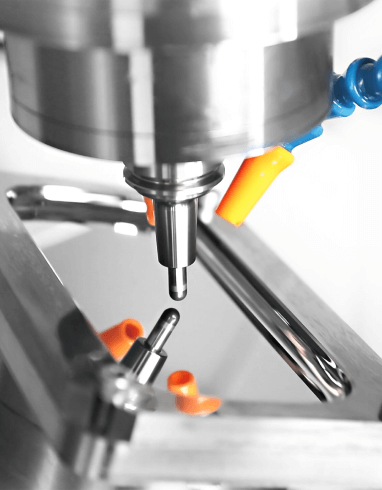
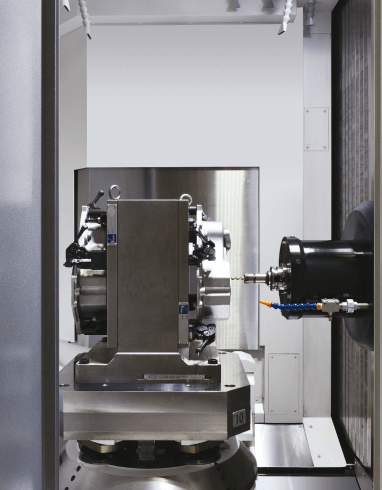
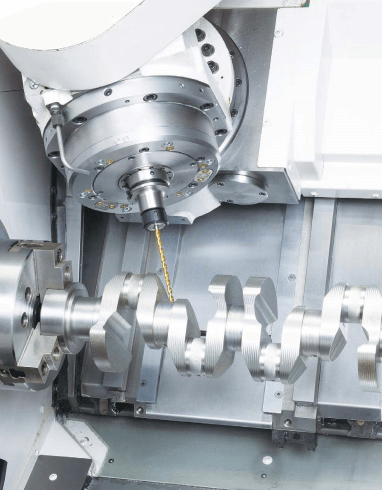
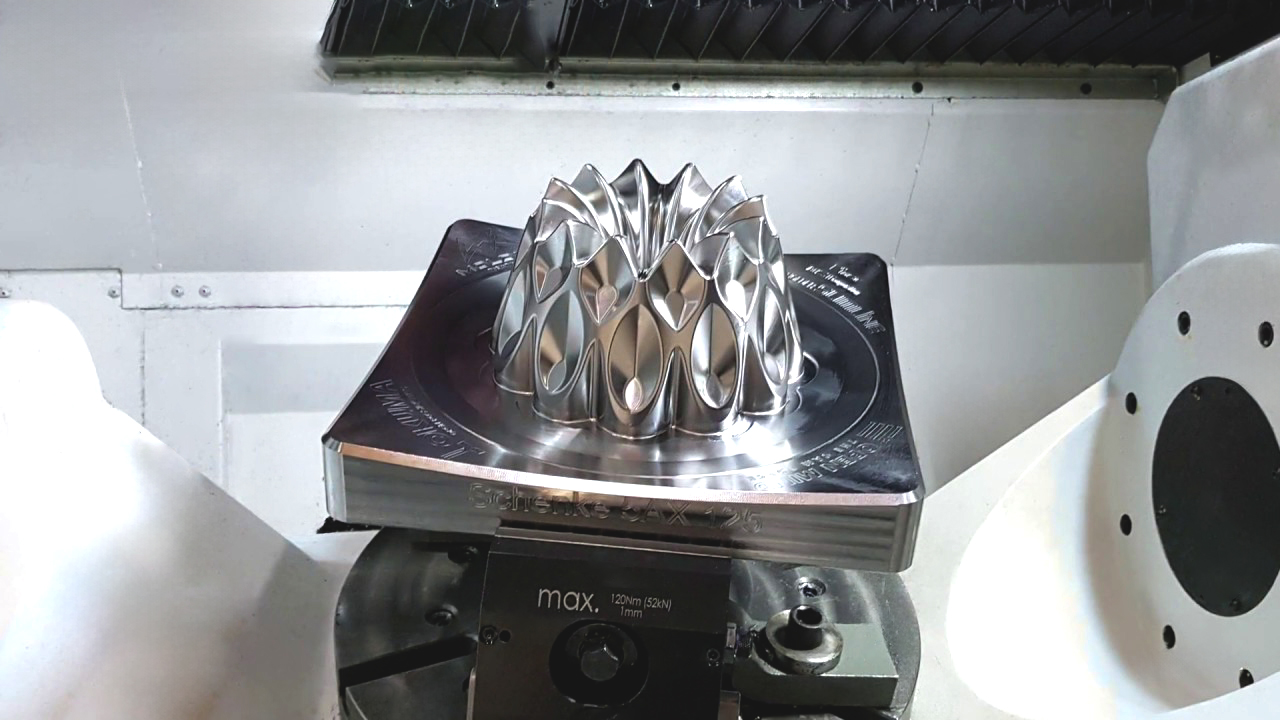
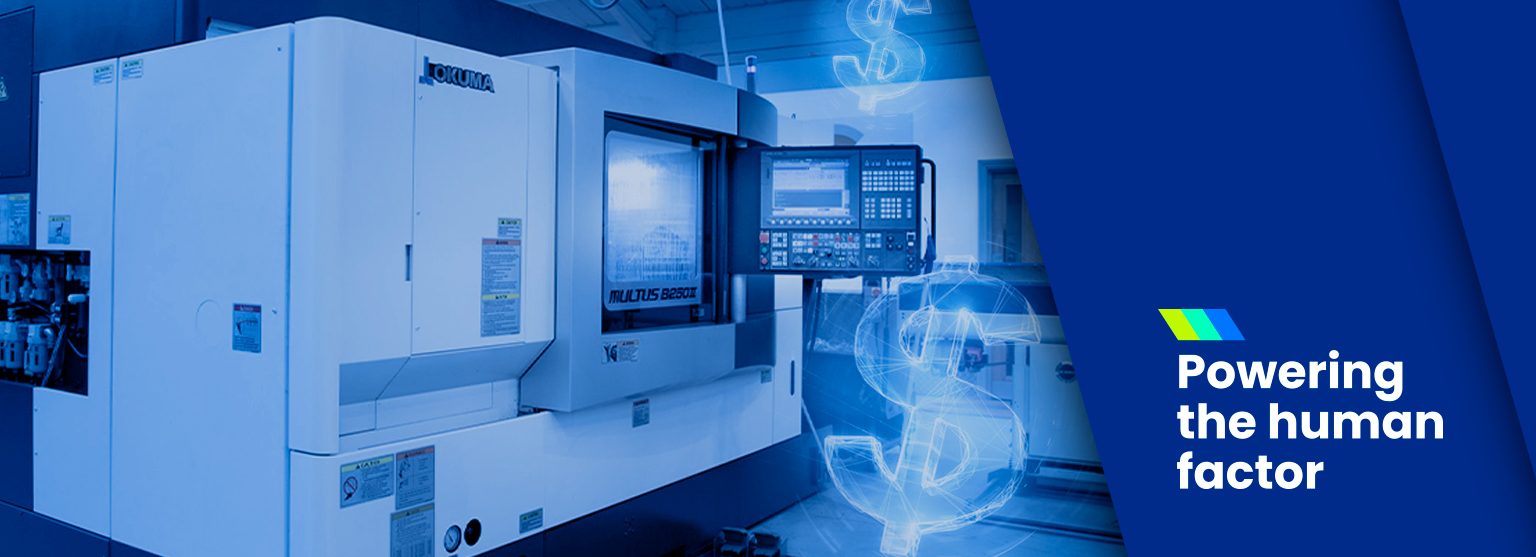
For example, parts with multiple operations and complex angular geometries that require a wide variety of tools. On conventional equipment, achieving precision without compromise is nearly impossible. However, with a machine like the MULTUS B250II, featuring 60 tool positions and simultaneous B-axis turning, the outcome is entirely different: precision, repeatability, and a drastic reduction in setups.
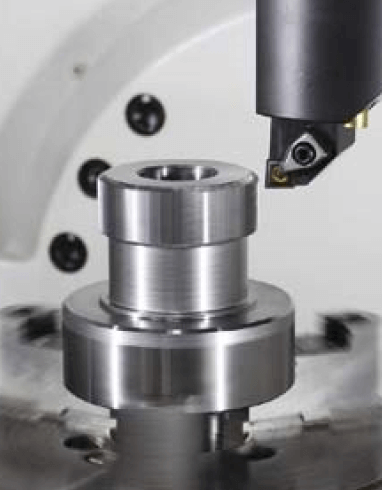
Another clear case: a turned part with a milling operation that accounted for 75% of the total process time. This bottleneck was only resolved by migrating to a machine like the VTM-YB, where both operations coexist within the same environment.
The Insight That Changes the Conversation
This is not just about selling a machine—it’s about rethinking the process.
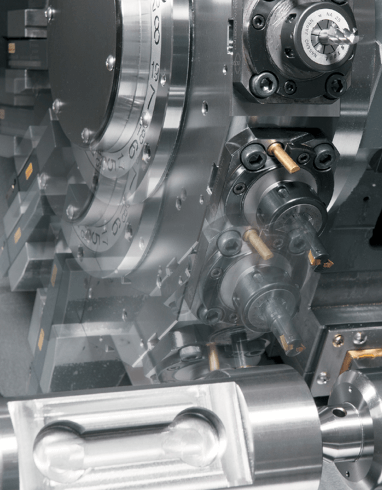
Multitasking is not only for complex parts. It’s a platform capable of handling everything from simple geometries to highly demanding components, integrating operations, reducing errors, and optimizing resources.
But there’s something even more important: it’s not about leaving the customer alone with more advanced technology. The real value lies in ongoing support, continuous training, and ensuring the equipment is used to its full potential.
The question is not whether you can keep producing the way you always have.
The question is: how much is it costing you not to evolve?
For more information, visit hemaq.com
 Thumb blog
 Industria
Industria
Technology
11.06.2024
ECO SUITE PLUS: the innovative eco-friendly system from OKUMA

 Thumb blog
 Industria
Technology
28.04.2026
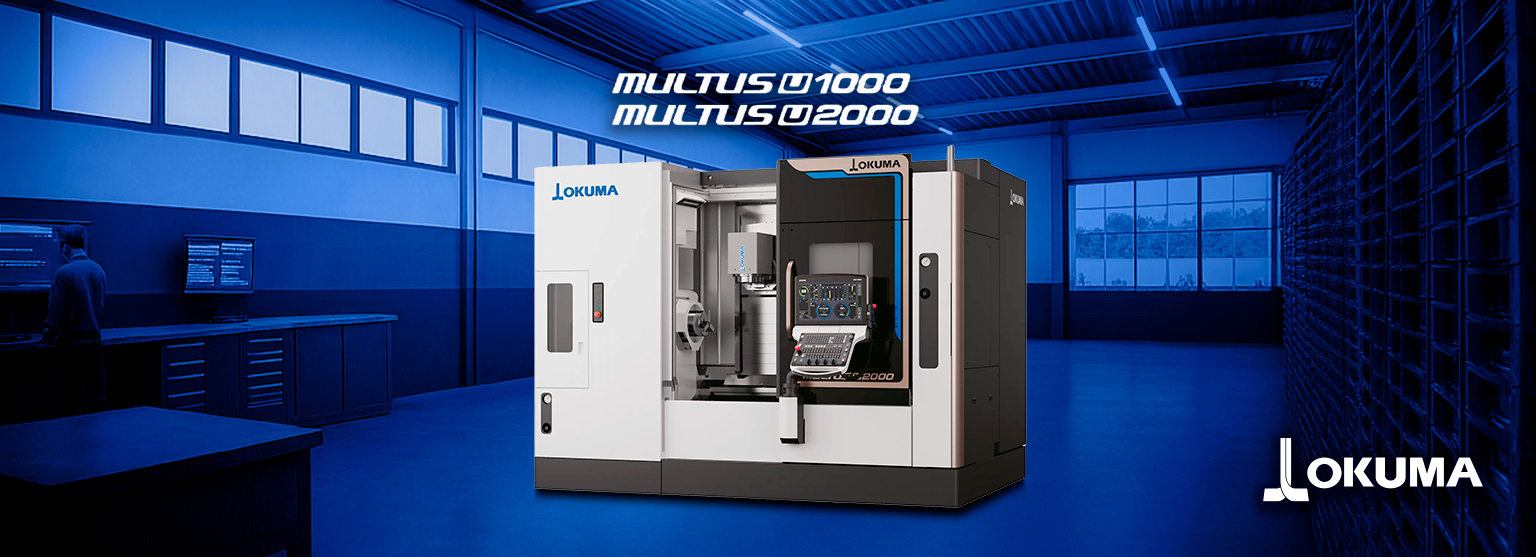
OKUMA MULTUS U1000 / U2000: Multitasking CNC Machines Redefining High-Precision Machining.
 Thumb blog
 Industria
Technology
18.06.2026
CNC Cooling Systems: The Key to Protecting Your Investment and Maintaining Productivity